Sustainable luxury
You don't need to sacrifice sustainability for luxury
Is leather sustainable?
Leather, by nature is a sustainable material, unfortunately over the years, the demand for mass produced, cheaper items meant that some faster methods of tanning the natural material of leather, became less sustainable.
This has meant that some of the most luxurious seeming leather items have been made using these fast fashion approaches to producing leather, but it doesn’t have to be that way.
The important thing is that not all leather is made the same. You can make choices to ensure that you are getting the best quality leather, made in the most environmentally friendly ways. Below are some facts about the choices you can make when it comes to your leather purchases, so that whether you buy your leather goods from me, or elsewhere, you can make an informed choice.


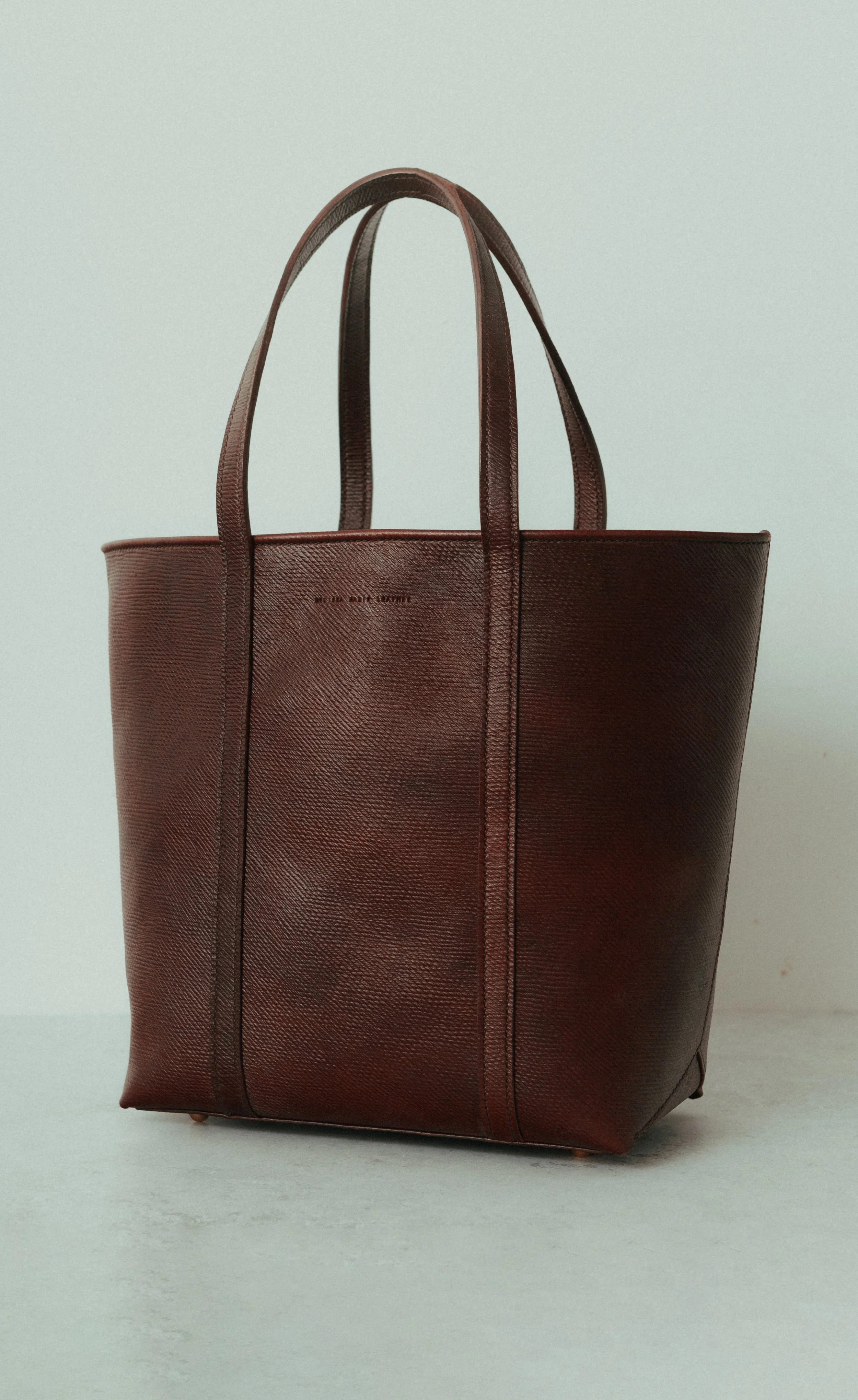
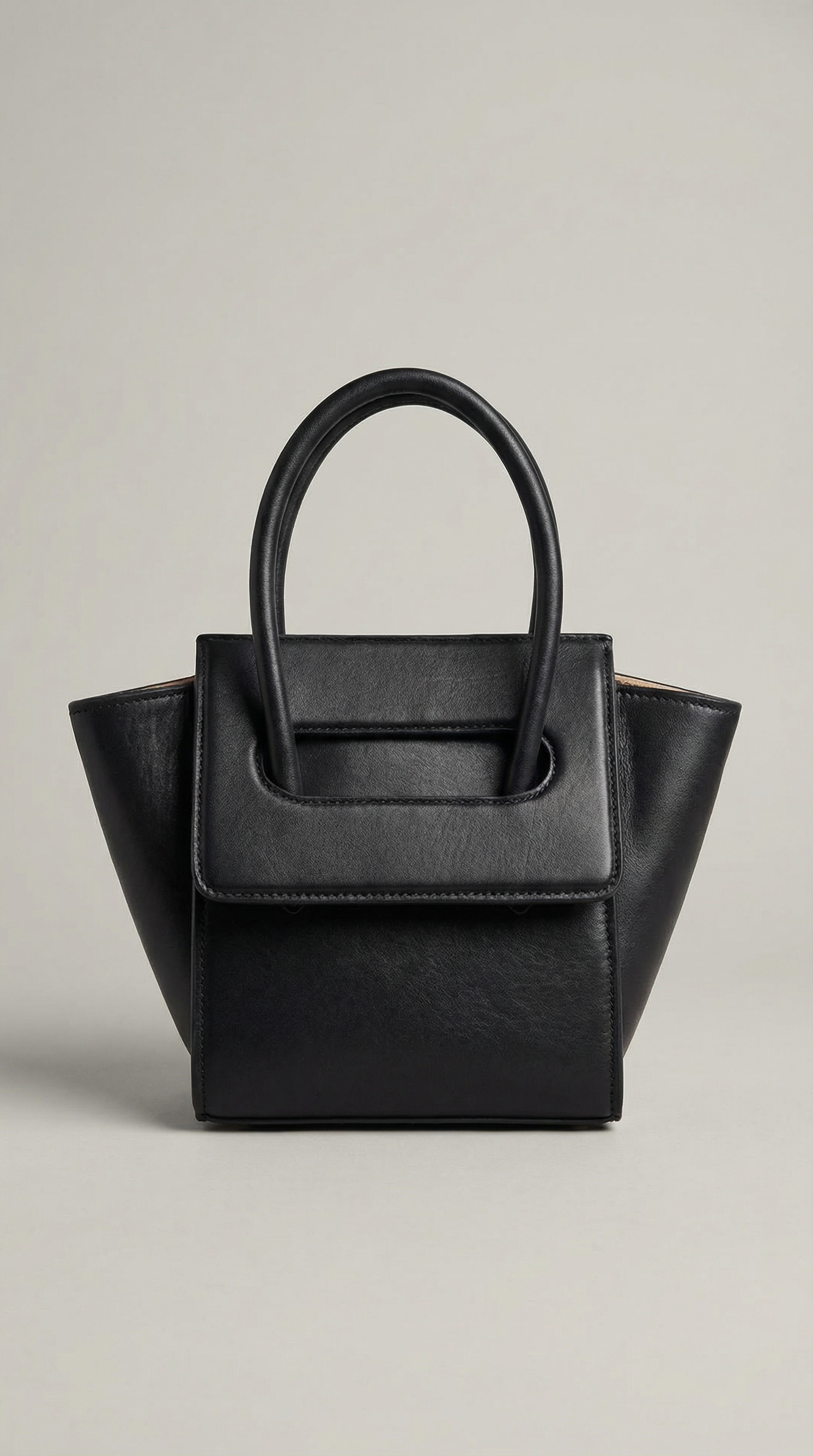
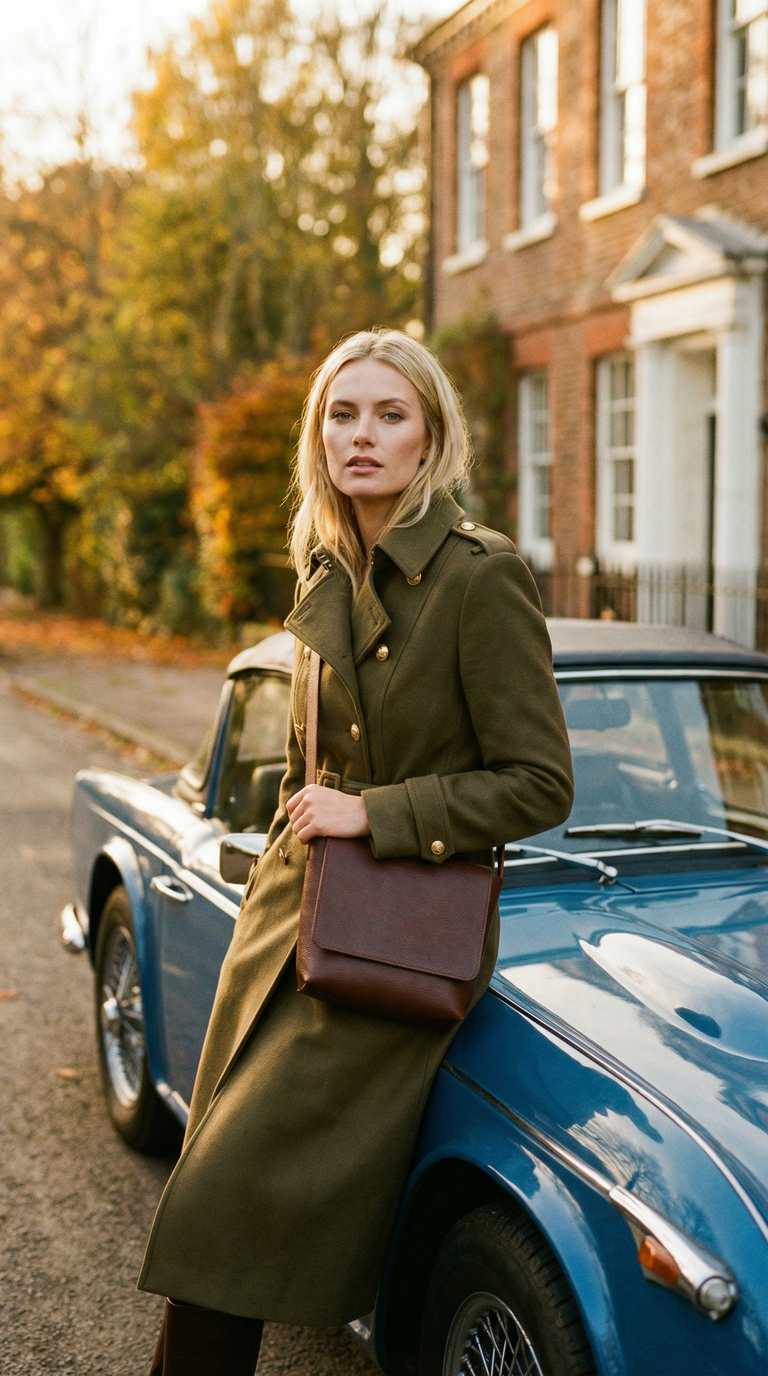
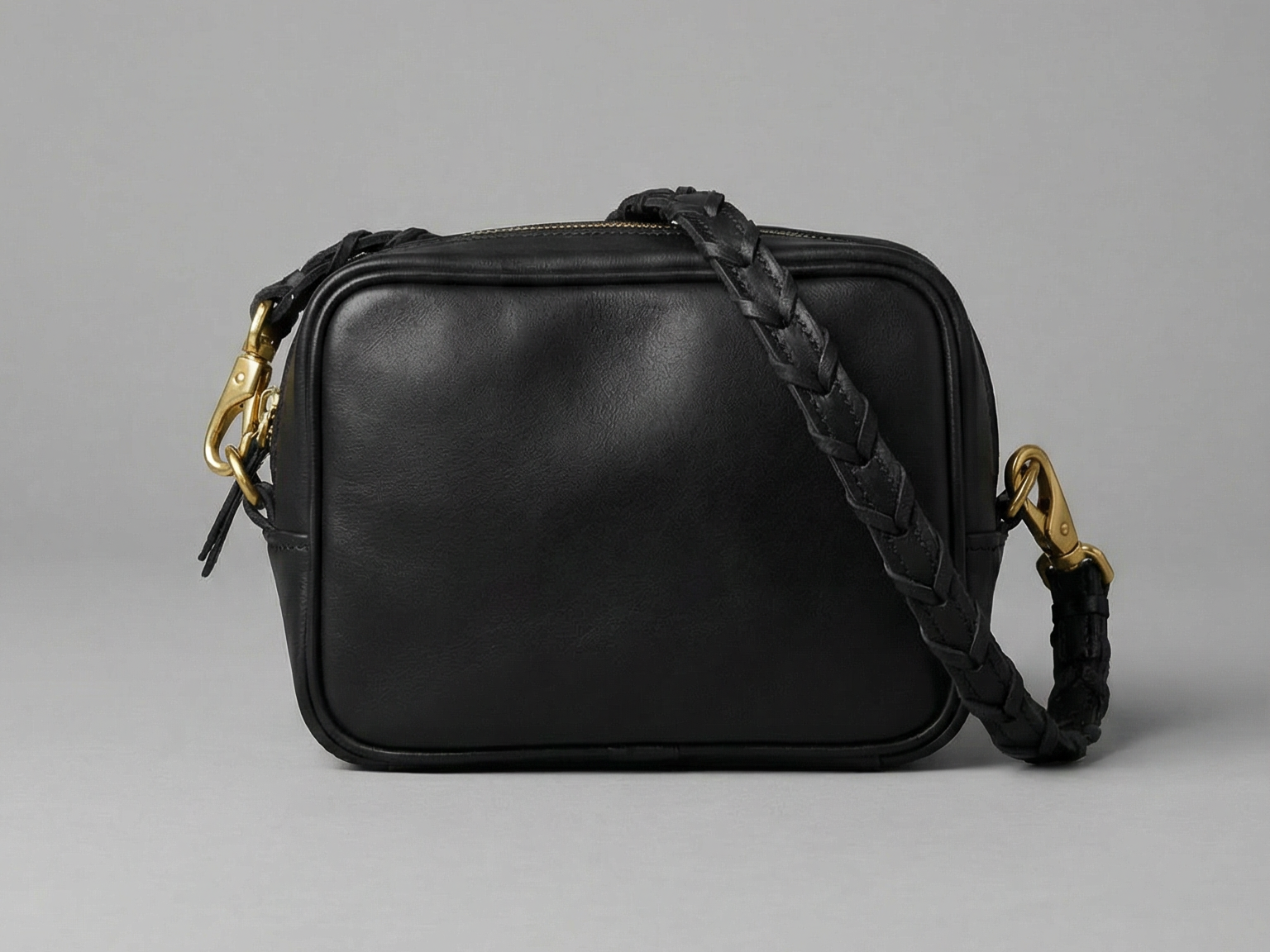
At Melissa Marie Leather, I believe that true luxury is not defined by excess, but by integrity — in materials, in process, and in purpose.
As a British maker of handcrafted luxury leather goods, my work is guided by a respect for tradition and a commitment to longevity. Leather, as a material, has been trusted for centuries. Yet its character and its environmental impact, is shaped long before it reaches the hands of the crafts person.
To understand leather properly is to understand a little more about leather itself and how it is tanned.
Understanding Leather Quality: Full Grain, Top Grain & Genuine Leather
Not all leather is created equal and understanding the differences is essential when investing in luxury leather goods.
Full Grain Leather
Full grain leather is the highest quality available. It uses the outermost layer of the hide, with the natural grain left intact.
This means:
No artificial correction or sanding
Natural markings and character are preserved
Exceptional strength and durability
Over time, full grain leather develops a rich patina, becoming more beautiful with age. It is the leather of choice for those who value authenticity, longevity, and true craftsmanship.
Top Grain (Corrected) Leather
Top grain leather has been sanded or buffed to remove natural imperfections, then often finished with a protective coating.
This results in:
A more uniform, consistent appearance
A smoother, sometimes slightly synthetic feel
Reduced breathability compared to full grain
While still a genuine leather, it has been altered to prioritise consistency over character, and typically does not age in the same way.
Genuine Leather
Despite the name, genuine leather is actually a lower grade. It is usually made from the remaining layers of the hide after the top has been removed, then heavily processed, coated, and embossed to imitate higher-quality leather.
This often means:
Less durability
Limited ageing or patina
A shorter lifespan overall
It serves a purpose in mass production, but it does not offer the same performance or longevity as higher-grade leathers.
Choosing Leather That Lasts
For me, quality is never about appearance alone, it is about how a material performs over time.
That is why I work exclusively with full grain, vegetable-tanned leather, ensuring that every piece not only looks beautiful when new, but continues to improve with age.
Because true luxury is not just seen, it is experienced, year after year.
The Modern Standard: Chrome Tanned Leather
Chrome tanning has become the prevailing method in contemporary leather production. Using chromium salts, it transforms raw hides into soft, workable leather within a matter of days. This process can be harmful to humans and the environment, when not performed in the correct way and when cost cutting is involved, corners can get cut.
However, under stringent European regulations, this process is carefully controlled and safe. Modern tanneries operate with advanced systems that manage and treat waste responsibly, ensuring that chrome tanned leather meets high environmental and safety standards.
It is, by design, efficient. Reliable. Consistent.
But it is also undeniably fast.
Chrome tanning serves the needs of a global industry, one built on scale, uniformity, and pace. It allows leather to be produced in large volumes, meeting the demands of modern manufacturing.
Even when carried out responsibly, it remains aligned with a system where speed is prioritised, and where products are often made to move quickly through their lifecycle.
A More Enduring Approach: Vegetable Tanned Leather
In contrast, vegetable tanned leather reflects a far older tradition, one that values patience over pace.
Using natural tannins derived from bark, leaves, and plant matter, this process unfolds over weeks, sometimes months. It cannot be hurried or easily standardised.
The leather that emerges is distinctive:
It deepens in colour and character over time
It develops a rich, individual patina
It offers durability measured not in seasons, but in years
As a sustainable leather tanning process, vegetable tanning avoids heavy metals and instead draws upon renewable, natural resources. Its environmental impact is gentler, its by-products more in keeping with natural cycles.
But beyond its environmental credentials, it represents something more significant — a different way of thinking.
Oak Bark Tanning: A Living Tradition
At the highest level of this craft sits oak bark tanning — one of Britain’s oldest and most respected tanning methods
Here, hides are slowly matured in oak bark liquors, often over the course of a year or more. The process is deeply rooted in heritage, unchanged in principle for generations.
There is no urgency to it. Only time, skill, and quiet precision.
The resulting leather is exceptional:
Firm, yet supple
Rich in texture and tone
Made to endure decades
It is not suited to mass production and therein lies its value.
Leather as a By-Product: Respecting the Whole Animal
It’s important to understand that, with the exception of exotic leathers, almost all leather is a by-product of the meat industry. No cows, goats, or sheep are raised solely for their hides, the hide represents only about 1% of the total value of the animal.
Without leather, these hides would often be discarded, ending up in landfill, contributing to waste and environmental harm. By turning them into leather, you honour the animal and give new life to a material that is strong, durable, and timeless.
This is another reason why oak or vegetable-tanned, responsibly sourced leather represents true sustainability. It is a material born of intention, not excess, and every hide is used to its fullest potential.
At Melissa Marie Leather, this philosophy guides every choice I make, from the leathers I select to the pieces I create. Luxury, I think, is not just in beauty or function, but in respect for the materials themselves and the animals it came from.
Beyond “Safe”: A Question of Values
Much of the discussion around chrome tanned leather centres on safety and regulation — and rightly so. When produced correctly, it meets modern standards.
Yet sustainability is not defined solely by what is permissible. It is shaped by what I choose to prioritise.
Chrome tanning asks:
How efficiently can this be produced?
Vegetable tanning asks:
How well can this be made — and how long can it last?
The Meaning of Modern Luxury
For me, luxury is found not in speed, but in substance.
It lies in:
Materials that mature gracefully with age
Techniques that require time, skill, and restraint
Handcrafted leather goods made with intention, not excess
By working with sustainably sourced oak and vegetable-tanned leather, I create pieces that honour both the material itself and the environment from which it came.
Because true luxury should feel considered, not compromised.
A More Considered Future
The choice between chrome tanning and vegetable tanning is not simply technical. It is philosophical. One reflects the efficiencies of modern industry. The other, the enduring values of craftsmanship.Both have their place. But for those seeking a more thoughtful approach, to materials, to sustainability, and to ownership… the answer is clear.
Fewer pieces. Better made. Built to last.
That is the essence of sustainable luxury leather.

The Take Away
Chrome vs Vegetable TanningChrome is fast and industrial; vegetable tanning is slow, traditional and eco-conscious.
Oak bark and vegetable-tanned leathers take time, skill and patience, producing leather with character and a rich patina
Heritage CraftsmanshipEvery piece is designed for decades of use, not seasons of trend
Made to LastI choose leathers that are responsibly sourced, biodegradable, and aligned with natural cycles.
Sustainable MaterialsHides come from animals raised for meat, ensuring nothing is wasted.
Leather as a By-ProductThoughtful Production: Fewer pieces, made better. Luxury that respects the environment and your values.
Luxury Without Compromise